Best Trekking Destinations in Nepal
1. Everest Base Camp (EBC) Trek – The Classic Himalayan Dream
Why it’s famous:
Walk beneath the world’s highest peaks, experience Sherpa culture, and stand at the foot of Mount Everest at 5,364 meters. Iconic, challenging, and deeply rewarding. Consistently rated as one of the best treks in the world.
Best seasons:
Spring (March–May): Stable weather, Rhododendrons in bloom, busy trails.
Autumn (September–November): Clear skies, great views, popular season.
Winter (December–February): Very cold, fewer crowds, possible flight delays.
Monsoon (June–August): Generally not recommended due to clouds and rain.
Difficulty:
Moderate to challenging. Long days, high altitude, but no technical climbing.
Typical duration:
12–16 days from Lukla, including acclimatization days.
Highest altitude:
Everest Base Camp: 5,364 m (17,598 ft). Kala Patthar viewpoint: 5,545 m.
Permits needed:
Sagarmatha National Park entry permit.
TIMS card (or local permit depending on current rules).
Check the latest regulations as rules change.
Gear notes:
Warm sleeping bag (−15°C to −20°C).
High‑quality down jacket (−20°C rating).
Strong UV protection (sunglasses, sunscreen, lip balm).
Sturdy, broken‑in boots for long rocky trails.
Who it’s for:
First‑time high‑altitude trekkers who want the classic Everest experience and are okay with busy trails and basic teahouses.
2. Annapurna Circuit Trek – Diversity in Every Valley
Why it’s famous:
One of the most varied treks in the world: subtropical forests, Tibetan‑style villages, dramatic gorges, and the Thorong La Pass at 5,416 m. Highly rated for scenery and cultural diversity.
Best seasons:
Spring and autumn are ideal.
Winter is possible but colder, especially on the pass.
Monsoon is less ideal but some sections remain doable.
Difficulty:
Moderate to challenging, mainly due to Thorong La Pass.
Typical duration:
12–18 days depending on route and transport options.
Highest altitude:
Thorong La Pass: 5,416 m (17,782 ft).
Permits needed:
Annapurna Conservation Area Permit (ACAP).
TIMS card or local permit.
Gear notes:
Versatile layering for big climate changes.
Waterproof shell for unpredictable weather over the pass.
Mid‑weight sleeping bag (−10°C to −15°C) is usually enough outside in winter.
Who it’s for:
Trekkers who want variety—culture, scenery, and a real mountain pass—without technical climbing.
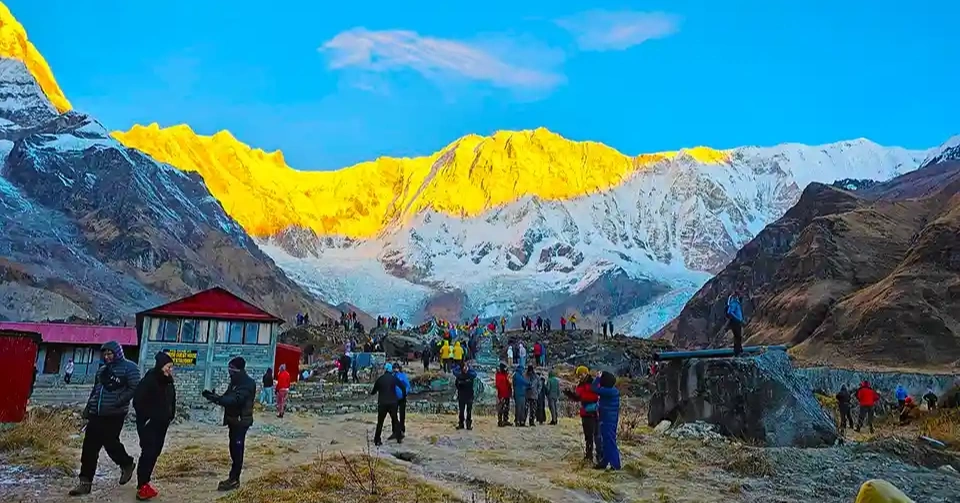
3. Annapurna Base Camp (ABC) / Annapurna Sanctuary Trek
Why it’s famous:
Walk into a natural amphitheater of peaks, including Annapurna I, Machhapuchhre, and Hiunchuli. Shorter and more accessible than the Circuit. Very popular and highly rated for first‑time high‑mountain trekkers.
Best seasons:
Spring and autumn are best. Winter is cold but possible. Monsoon is wet and cloudy.
Difficulty:
Moderate. No high pass, but steady ascent and descent.
Typical duration:
7–12 days from Pokhara.
Highest altitude:
Annapurna Base Camp: 4,130 m (13,550 ft).
Permits needed:
ACAP.
TIMS or local permit.
Gear notes:
Standard 4‑season sleeping bag (−10°C to −15°C).
Good waterproof gear for monsoon shoulder seasons.
Strong sun protection in the sanctuary.
Who it’s for:
Trekkers who want high‑mountain scenery without a very high pass or extremely long itinerary.
4. Langtang Valley Trek – The Closest Himalayan Escape
Why it’s famous:
Closest major trek to Kathmandu, rich Tamang culture, beautiful forests, and views of Langtang Lirung. Rebuilding strongly after the 2015 earthquake. Highly rated for accessibility and authentic village life.
Best seasons:
Spring, autumn, and early winter. Monsoon is possible but wet.
Difficulty:
Moderate. Good trails, reasonable altitudes.
Typical duration:
7–10 days from Syabrubesi.
Highest altitude:
Kyanjin Ri: ~4,773 m (some itineraries go to Tserko Ri ~5,000 m).
Permits needed:
Langtang National Park entry permit.
TIMS or local permit.
Gear notes:
Slightly lighter gear than EBC but still prepare for cold nights.
Good rain gear if trekking near monsoon shoulder seasons.
Who it’s for:
Trekkers with limited time who still want a proper Himalayan trek with culture and scenery.
5. Manaslu Circuit Trek – Remote, Wild, and Worth It
Why it’s famous:
Spectacular views of Manaslu (8,163 m), remote villages, Tibetan influence, and the Larkya La Pass. Less crowded than EBC and Annapurna. Increasingly rated as one of the best “next‑level” treks after doing EBC or Annapurna.
Best seasons:
Autumn is best. Spring is good but can be snowier on the pass. Winter is very cold. Monsoon is risky due to landslides.
Difficulty:
Moderate to challenging due to Larkya La Pass and remote nature.
Typical duration:
12–16 days.
Highest altitude:
Larkya La Pass: 5,106 m (16,752 ft).
Permits needed:
Manaslu Conservation Area Permit.
Restricted area permit (requires licensed guide and minimum group size).
TIMS or local permit.
Gear notes:
Warm sleeping bag and down jacket for the pass.
Good waterproof layers.
Be prepared for basic teahouses and long days.
Who it’s for:
Trekkers who want a more remote, “off the beaten path” experience with a high pass and stunning scenery.
6. Upper Mustang Trek – The Forbidden Himalayan Kingdom
Why it’s famous:
Desert‑like landscapes, ancient caves, walled villages, and strong Tibetan Buddhist culture. Part of the former forbidden kingdom. Highly rated for unique landscapes and culture.
Best seasons:
Spring, autumn, and early winter. Monsoon is actually a great time here because Mustang is in the rain shadow.
Difficulty:
Moderate. High altitude but no technical climbing. Long days, windy conditions.
Typical duration:
10–14 days from Jomsom or driving partway.
Highest altitude:
Around 3,800–4,200 m depending on route (some side trips go higher).
Permits needed:
Annapurna Conservation Area Permit.
Restricted area permit for Upper Mustang (requires guide and permit fee).
Gear notes:
Strong wind protection and sun protection.
Warm layers for cold nights, but less emphasis on extreme cold gear.
Good dust protection (buff, sunglasses).
Who it’s for:
Trekkers interested in culture, history, and unique landscapes rather than just big peaks.
7. Nar Phu Valley Trek – Hidden Valleys Near Annapurna
Why it’s famous:
Remote valleys with ancient villages, high passes, and a mix of Annapurna scenery and Tibetan‑style culture. Often combined with part of the Annapurna Circuit. Highly rated by experienced trekkers looking for something quieter.
Best seasons:
Autumn and spring. Winter is very cold. Monsoon is risky.
Difficulty:
Moderate to challenging due to high passes and remote terrain.
Typical duration:
10–14 days, often combined with Annapurna Circuit.
Highest altitude:
Kang La Pass: ~5,322 m; Thorong La if combined with Circuit.
Permits needed:
ACAP.
Restricted area permit for Nar Phu (requires guide).
TIMS or local permit.
Gear notes:
Warm gear for high passes.
Good layering for big altitude changes.
Be ready for basic facilities in Nar and Phu villages.
Who it’s for:
Trekkers who want something quieter and more remote near Annapurna, with a real sense of exploration.
8. Gokyo Lakes & Cho La Pass Trek – Everest’s Turquoise Siblings
Why it’s famous:
Stunning turquoise lakes, Gokyo Ri viewpoint, and the Cho La Pass crossing, often combined with EBC for a more adventurous loop. Highly rated for scenery and variety in the Everest region.
Best seasons:
Spring and autumn. Winter is possible but very cold. Monsoon is not ideal.
Difficulty:
Moderate to challenging due to Cho La Pass (glacier crossing).
Typical duration:
12–16 days including EBC or similar.
Highest altitude:
Gokyo Ri: 5,357 m; Cho La Pass: 5,420 m.
Permits needed:
Sagarmatha National Park permit.
TIMS or local permit.
Gear notes:
Warm sleeping bag and down jacket.
Good boots for rocky and icy sections.
Trekking poles very helpful for passes and descents.
Who it’s for:
Trekkers who want the Everest region with more variety, lakes, and an adventurous pass.
9. Makalu Base Camp Trek – Wild and Untouched
Why it’s famous:
Remote valley beneath the world’s fifth‑highest peak, rich biodiversity, and fewer crowds. One of Nepal’s emerging treks, highly rated by adventurers seeking something different.
Best seasons:
Spring and autumn. Winter is cold. Monsoon can be difficult.
Difficulty:
Moderate to challenging due to remoteness and altitude.
Typical duration:
12–18 days depending on route and access.
Highest altitude:
Makalu Base Camp: ~4,870 m (some side points higher).
Permits needed:
Makalu Barun National Park permit.
TIMS or local permit.
Possibly restricted area permits depending on exact route.
Gear notes:
Standard high‑altitude gear.
Be prepared for basic teahouses or camping in some sections.
Good waterproof gear for unpredictable weather.
Who it’s for:
Trekkers who want something less crowded, more “explorer‑style”, with big mountain scenery.
10. Kanchenjunga Base Camp Trek – The Far‑East Giant
Why it’s famous:
Trek to the base of the world’s third‑highest peak, through remote valleys with rich culture and biodiversity. One of Nepal’s most challenging and rewarding treks, highly rated by serious trekkers.
Best seasons:
Autumn and spring. Winter is very cold and some passes may close. Monsoon is difficult.
Difficulty:
Challenging. Long, remote, high altitude.
Typical duration:
18–24+ days.
Highest altitude:
North Base Camp: ~5,143 m; South Base Camp: ~4,730 m.
Permits needed:
Kanchenjunga Conservation Area Permit.
Restricted area permit (requires guide and minimum group).
TIMS or local permit.
Gear notes:
High‑quality warm gear for long, cold nights.
Durable boots for rough trails.
Be prepared for camping or very basic lodges in parts.
Who it’s for:
Experienced trekkers seeking a long, remote, and serious Himalayan expedition feel without technical climbing.
11. Rara Lake Trek – The Hidden Alpine Jewel
Why it’s famous:
Nepal’s largest lake, set in a remote national park with pine forests, alpine meadows, and traditional villages. Very few trekkers compared to Everest and Annapurna. Highly rated for solitude and natural beauty.
Best seasons:
Spring and autumn. Winter is cold and some passes may be snowed in. Monsoon is wet.
Difficulty:
Moderate to challenging due to remoteness and altitude.
Typical duration:
10–14 days from Nepalgunj/Juphal.
Highest altitude:
Around 3,500–4,000 m depending on side trips.
Permits needed:
Rara National Park permit.
TIMS or local permit.
Gear notes:
Standard trekking gear for mid‑high altitude.
Warm sleeping bag for cold nights near the lake.
Good rain gear for monsoon shoulder seasons.
Who it’s for:
Trekkers who want solitude, natural beauty, and a sense of discovery.
12. Pikey Peak Trek – Everest Views Without the Crowds
Why it’s famous:
One of the best viewpoints for Everest and the Khumbu range, without going all the way to EBC. Shorter, cheaper, and less crowded. Highly rated for budget‑friendly Everest views.
Best seasons:
Spring and autumn. Winter is possible but cold. Monsoon is cloudy.
Difficulty:
Moderate. Shorter days, lower altitude than EBC.
Tipical duration:
6–9 days from Kathmandu or Phaplu.
Highest altitude:
Pikey Peak: ~4,065 m.
Permits needed:
Local permits and TIMS depending on route.
Gear notes:
Standard trekking gear for mid‑altitude.
Warm layers for early morning summit climb.
Good camera for sunrise views over Everest, Lhotse, Makalu, etc.
Who it’s for:
Trekkers with limited time or budget who still want iconic Everest views.
13. Poon Hill Trek – The Classic Short Trek
Why it’s famous:
Sunrise over the Annapurna and Dhaulagiri ranges from Poon Hill, comfortable teahouses, and a gentle introduction to trekking in Nepal. One of the most highly rated short treks for beginners and families.
Best seasons:
Year‑round, but spring and autumn are best. Monsoon is wet but still doable.
Difficulty:
Easy to moderate. Suitable for beginners and families.
Typical duration:
4–6 days from Pokhara.
Highest altitude:
Poon Hill: 3,210 m (10,531 ft).
Permits needed:
ACAP.
TIMS or local permit.
Gear notes:
Lighter gear than high‑altitude treks.
Still bring warm layers for early mornings.
Good waterproof gear for monsoon.
Who it’s for:
First‑time trekkers, families, and anyone short on time who wants classic Himalayan scenery.
14. Helambu Circuit Trek – Culture and Hills Near Kathmandu
Why it’s famous:
Tamang and Sherpa villages, forested ridges, and easy access from Kathmandu. Often used as a shakedown trek before bigger adventures. Highly rated for culture and convenience.
Best seasons:
Spring, autumn, and early winter. Monsoon is wet.
Difficulty:
Easy to moderate.
Typical duration:
5–8 days.
Highest altitude:
Around 3,600–3,800 m depending on route.
Permits needed:
TIMS or local permit.
Conservation area permits depending on exact route.
Gear notes:
Standard trekking gear for mid‑altitude.
Less emphasis on extreme cold, more on comfort and rain protection.
Who it’s for:
Trekkers with limited time who want culture, hills, and a taste of trekking life without very high altitude.
15. Khopra (Khayer) Lake & Dhaulagiri Viewpoint Trek – Offbeat Annapurna Gem
Why it’s famous:
Stunning views of Dhaulagiri, Annapurna South, and a sacred alpine lake. Less crowded than Poon Hill and ABC. Highly rated by trekkers who’ve already done the classics and want something different.
Best seasons:
Spring and autumn. Winter is cold. Monsoon is wet.
Difficulty:
Moderate. Some steep sections and high viewpoints.
Typical duration:
7–10 days from Pokhara/Ghorepani area.
Highest altitude:
Khopra Lake: ~4,600 m; Khayer Lake: ~4,660 m.
Permits needed:
ACAP.
TIMS or local permit.
Gear notes:
Warm sleeping bag and layers for high camps.
Good boots for steep, rocky sections.
Strong sun and wind protection at the lake.
Who it’s for:
Trekkers who want Annapurna scenery with fewer crowds and a bit more adventure than Poon Hill.
Best Recommended Treks: Highly Rated Picks for Different Types of Trekkers
If you’re overwhelmed by the above choices, here are the highly rated treks according to travelers types
Best overall (First big Himalayan trek)
Everest Base Camp Trek – Iconic, well‑supported, unforgettable.
Annapurna Circuit Trek – Incredible variety, classic pass, great infrastructure.
Best for first‑time trekkers / short on time
Poon Hill Trek – Easy, scenic and more comfortable.
Langtang Valley Trek – Proper mountain trek, close to Kathmandu.
Pikey Peak Trek – Get the Everest views without the full EBC commitment.
Best for experienced trekkers seeking something more
Manaslu Circuit Trek – Remote, high pass, fewer crowds.
Nar Phu Valley Trek – Hidden valleys, high passes, combined with Annapurna.
Kanchenjunga Base Camp Trek – Long, remote, serious adventure.
Best for culture and unique landscapes
Upper Mustang Trek – Desert‑like terrain, ancient caves, Tibetan culture.
Helambu Circuit Trek – Villages, monasteries, more easier access.
Best for solitude and off‑the‑beaten‑path
Rara Lake Trek – Remote lake, very few trekkers.
Makalu Base Camp Trek – Wild valley, emerging route.
These are the our recommendations to make your choice more easier, then match your gear list to the specific trek’s altitude, season, and difficulty.
NOTE: Before You Trek in Nepal: Permits, Guides, Insurance, and Practical Tips
Having the right gear and choosing the right trek is only part of the equation. Here’s what every trekker needs to know before hitting the trails.
Trekking permits
Most trekking regions in Nepal require permits. These can be obtained in Kathmandu or Pokhara, often through your trekking agency.
TIMS card (Trekker’s Information Management System) Its is required for many popular treks.
National Park or Conservation Area permits: For example, Sagarmatha National Park for EBC, Annapurna Conservation Area for Annapurna treks, Langtang National Park for Langtang.
Restricted area permits: Required for certain regions like Manaslu, Tsum Valley, Upper Dolpo, Nar Phu, Kanchenjunga, etc. These usually require a licensed guide.
IMPORTANT: Always carry multiple passport‑size photos and a copy of your passport for permit applications. Keep a copy of your permits with you on the trail; checkpoints may ask to see them so that it will make you experience more smoother and comfortable on the tek that you are planning.
Guides and porters
Guides are now mandatory for many trekking regions as of recent regulations. Check the latest rules for your specific trek.
A good guide enhances safety, handles permits and teahouse bookings, and provides local knowledge that may required.
Porters can carry your main backpack (usually up to 10–20 kg), leaving you with just a daypack. This greatly improves your trekking experience, especially on longer routes for the trek.
Always treat guides and porters with respect, pay fair wages, and consider tipping based on performance and length of trek that may increase the future experiences for you and other treks.
Travel insurance
Get comprehensive travel insurance that explicitly covers high‑altitude trekking (up to the maximum altitude of your trek) and emergency helicopter evacuation.
Many standard policies exclude altitudes above 4,000–5,000 meters, so read the fine print very carefully to make it sure.
Carry a digital and printed copy of your insurance policy, including emergency contact numbers.
Flights and Transport
Domestic flights to Lukla (for EBC), Jomsom (for Annapurna), or other trailheads can be delayed or canceled due to weather. Build buffer days into your itinerary for better experiences.
Road transport to trailheads (e.g., Syabrubesi for Langtang, Besishahar for Annapurna) can be long and bumpy, so be prepared for rough journeys.
Keep cash (Nepali rupees) for small towns and teahouses where cards and digital payments aren’t accepted. ATMs are available in Kathmandu, Pokhara, and some larger trail towns, but not everywhere.
Health, altitude, and safety on the trail
Altitude sickness
Acclimatization is key: Don’t ascend too fast. Follow the “climb high, sleep low” principle.
Typical advice: above 3,000 meters, don’t increase your sleeping altitude by more than 300–500 meters per day, and take a rest/acclimatization day every 3–4 days.
Symptoms include headache, nausea, dizziness, fatigue, loss of appetite, and shortness of breath.
If symptoms worsen, the only cure is to descend immediately. Do not push through severe symptoms.
Discuss altitude prevention with your doctor before traveling. Some trekkers use diamox (acetazolamide) preventively, but this should only be done under medical advice, Don't Use it unnecessarily and to much.
Water and food safety
Drink only treated water: Use purification tablets(e.g Aquatabs), filters, or boiled water.
Avoid raw salads and unpeeled fruits in lower, busier areas where hygiene may be variable.
Stick to well‑cooked meals like dal bhat, noodles, soups, and fried rice in teahouses.
Carry snacks (nuts, chocolate, energy bars) for extra energy on long days.
Weather and trail conditions
Weather in the Himalayas can change within hours. What starts as a sunny morning can turn into snow or heavy rain by afternoon.
Always carry your shell jacket, warm layer, and headlamp even on “easy” days.
Trail conditions vary: rocky, muddy, icy, or snowy depending on season and altitude. Use trekking poles and watch your footing.
Respect local culture and environment
Dress modestly, especially in villages and around temples.
Ask before photographing people, particularly in conservative areas.
Follow Leave No Trace principles: carry out your trash, don’t litter, and minimize plastic use.
Many tea houses charge extra for hot showers and additional services; use these resources sparingly to reduce environmental impact.
Why Get Your Trekking Gear With Us (And Why Trekkers Actually Recommend Us)
1. Gear matched to your exact trek, season, and budget
We (OCEAN TREKKING GEAR) don’t just sell “trekking gear”; we provide the kit for you out for your route, your dates, and your budget. Whether you’re doing Everest Base Camp in winter, Annapurna Circuit in spring, or a short Langtang trek in autumn, we’ll tell you exactly what you need and what you can skip according to your trek. No guesswork, no overbuying.
We’ll ask you:
Which trek are you doing?
What are your dates and expected altitudes?
What gear do you already own?
What’s your budget and do you prefer buying or renting?( For the rental products depends on its availability)
Then we’ll build a personalized gear list and package that fits your plan and your budget perfectly.
2. Local expertise.
Our team treks regularly and works with guides and agencies daily, so our advice is based on real trail conditions—not just product specs or marketing. We’ve seen what works and what fails on the ground, in all seasons for many treks in Nepal.
We’ll help you avoid common mistakes like:
Choosing a sleeping bag that’s not warm enough for your highest camp.
Buying boots that look good but don’t fit properly, leading to blisters on your long days.
Overpacking unnecessary items that just add weight.
Underestimating the need for sun and wind protection at altitude.
3. Try before you commit
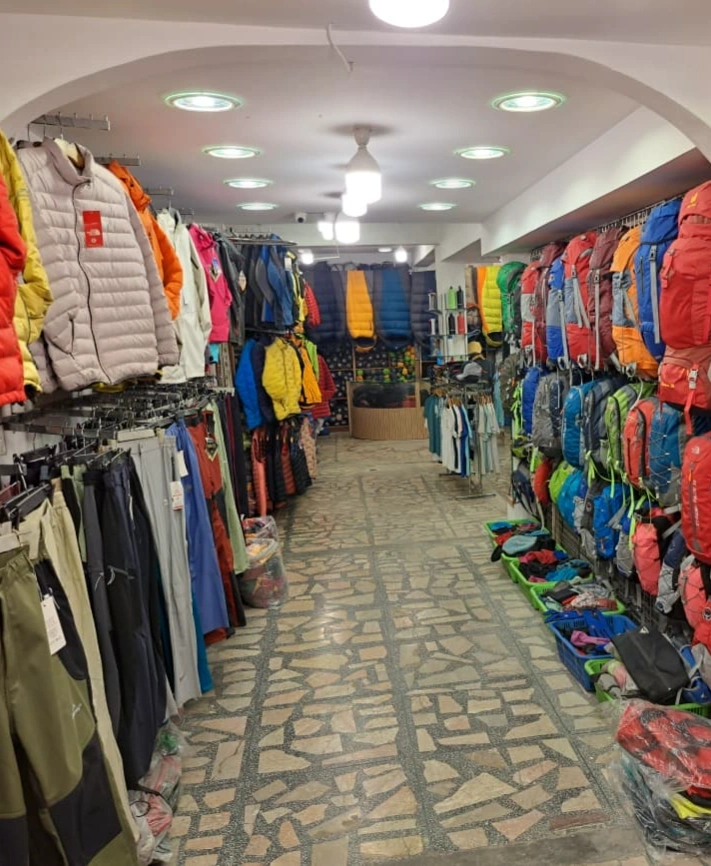
Visit our store OCEAN TREKKING GEAR, try on boots, test backpack fit, and feel fabric quality before you buy. Online shops and overseas purchases can’t give you that.
In our store, you can:
Walk around with boots on surfaces to test comfort.
Load a backpack with weights to check how it feels on your hips and shoulders.
Compare multiple jackets and sleeping bags side by side for warmth, weight, and price.
Get honest advice on what’s worth spending more on and where you can save.
4. Bundle deals that save you money
We offer gear bundles at special rates, such as:
Jacket + sleeping bag + trekking poles package.
Full clothing set (base layers, mid‑layer, shell, pants, gloves, hats).
Complete starter kits for first‑time trekkers.
These bundles often cost less than buying each item separately, and they’re customized to your trek. We also offer group discounts for families, friends, and organized groups.(YOU CAN SHOW THIS ARTICLE TO CLAIM 10%-15% OFF ON TREKKING GEAR at our store: Ocean Trekking Gear)
5. After‑sales support you can trust
Our after‑sales support includes:
Free adjustments on backpacks and clothing where possible.
Advice on repairs or replacements if something goes wrong.
Last‑minute additions if you realize you forgot something essential.
Unlike online sellers or one‑off market stalls, we’re here for the long term and care about your experience.
6. Flexible options: buy, rent, or mix
Not sure whether to buy or rent? We’ll show you both options side‑by‑side, including total cost for your exact trek length, so you can choose what fits your budget and travel style.
For example:
Buy your boots, backpack, and base layers for hygiene and fit.
Rent your down jacket and sleeping bag if you only trek once or are on a tight budget.
Or buy everything if you plan multiple treks and want your own reliable kit.
We’ll break down the numbers clearly so you can make an informed decision.
7. Convenient location for trekkers
We’re based in Kathmandu, [your exact location/landmark], easy to reach from major hotels and trekking agencies in Thamel and surrounding areas. Many customers kit out with us right after arrival or before heading to Pokhara or their trailhead.
Easy to find: We’ll share clear directions and a Google Maps pin.
Flexible hours: We understand trekkers have odd schedules due to flights and briefings.
Fast service: We can often prepare a full gear package within a few hours if you’re in a rush.
8. We speak your language and understand your needs
Whether you’re from Europe, North America, Asia, or Australia, we’re used to working with international trekkers. We can explain things clearly, answer all your questions, and make sure you feel confident about your gear before you hit the trail.
We regularly help trekkers with:
First‑time Nepal visitors who’ve never trekked at altitude.
Experienced trekkers looking to upgrade or fine‑tune their kit.
Budget travelers who want the best value without compromising safety.
Luxury travelers who want high‑end, lightweight, and high‑performance gear.
9. We care about your safety and experience
At the end of the day, we’re trekkers too. We want you to have an amazing, safe, and memorable experience in the Himalayas—not a struggle with cold feet, a leaking sleeping bag, or a broken zipper at 5,000 meters.
When you get your gear with us, you’re not just buying products; you’re getting:
A partner who wants your trek to go smoothly.
Honest advice even if it means telling you not to buy something.
Peace of mind knowing your kit is right for your trek.
Call to Action: Get Kitted Out in Kathmandu With Us
Visiting Kathmandu for a trek? Stop by OCEAN TREKKING GEAR at Narsing Chowk Thamel, Kathmandu, Nepal or message us on
E-mail:[email protected]
WhatsApp/phone: +977-9818510275 / +977-9818335825 to pre‑book a Gear.
Tell us:
Your trek name and dates.
Your highest expected altitude.
What gear you already own.
Your budget range and whether you prefer to buy, rent, or mix.
We’ll prepare a personalized gear list and quote before you arrive, so you can maximize your time in Kathmandu and hit the trail with confidence.
Related stories